Why I’m Hosting Coffee Experiences in Oaxaca
In the United States, most people start their day with a cup of coffee. We buy it at the grocery store in colorful packages, roasted, ground up, and often anonymous.
In reality, many hands have touched that coffee before we pick it up and put it in the shopping cart. Coffee is widely consumed in the U.S., but we import it from faraway places.
I’m challenging that paradox by taking coffee drinkers to the start of the chain — the lands where farmers plant the seeds of coffee plants.
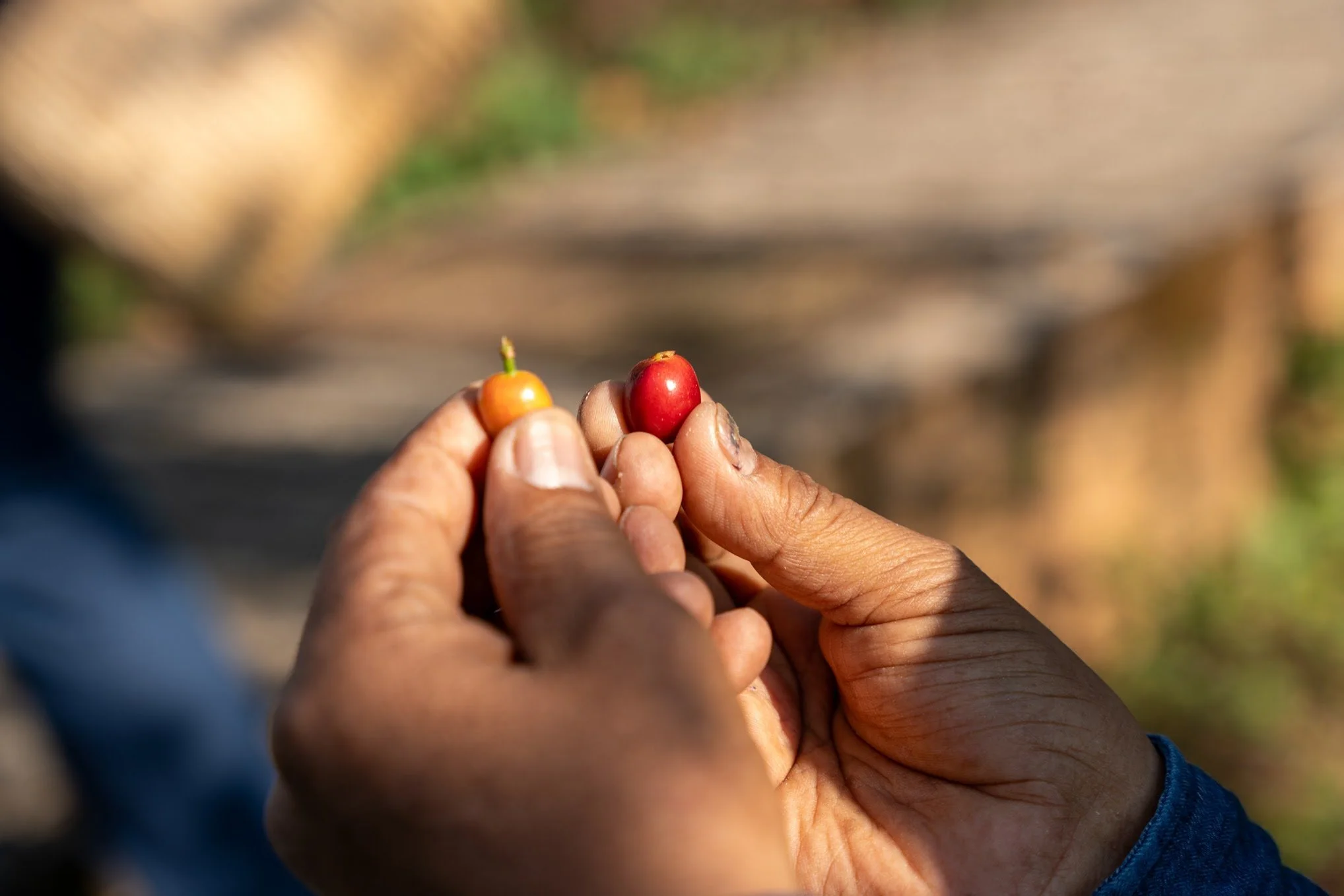
Before immersing myself in the world of coffee, I had no clue what a coffee plant looked like. Even as a barista, I didn’t know that what we call a coffee “bean” comes from a fruit, the twin half of a seed. In Mexico, coffee is a local, agricultural product — that gets bought and sold around the world.
My entry into specialty coffee was behind the bar at my university’s student-run café. From there, I’ve worked as a newspaper journalist and used the Spanish I’ve studied my whole life in Oaxaca and through other travels. The idea to organize trips came from meeting the right people who were open to brainstorming with me.
My goal is to educate people on how the coffee gets into their cups. Because learning this — seeing it, touching it, smelling it, tasting it — and most importantly meeting the people whose families have dedicated generations to producing coffee will increase our appreciation of it. We’ll learn that actually, we depend on people across the world, who speak languages we don’t understand, to get our caffeine fix in the morning. These kinds of experiences teach us how we’re more interconnected than we think.
Coffee forms part of an important global trade, one that our caffeine-craving bodies aren't likely to let up soon. But more than just the supply chain, I want people to understand coffee’s colonial history, its economic importance to rural communities, and its role in the local environment.
In collaboration with Oaxacan coffee professionals across the value chain, I’ve built week-long experiences centered around coffee, as well as other cultural experiences in Oaxaca. I act as a bridge — making the introduction, giving the floor to the expert, and translating when needed.
It’s been exciting to watch curious consumers connect with local producers, and I hope you’ll join me on a future trip.